How Emerald Fennell Adapted and Changed Wuthering Heights from the Classic Novel
Wuthering Heights is taking the world of gothic romance by storm. Starring Margo Robbie and Jacob Elordi as Cathy and Heathcliff, the film puts a new and original spin on the iconic classic. Here are some adaptation choices from the novel to the film you might have missed!
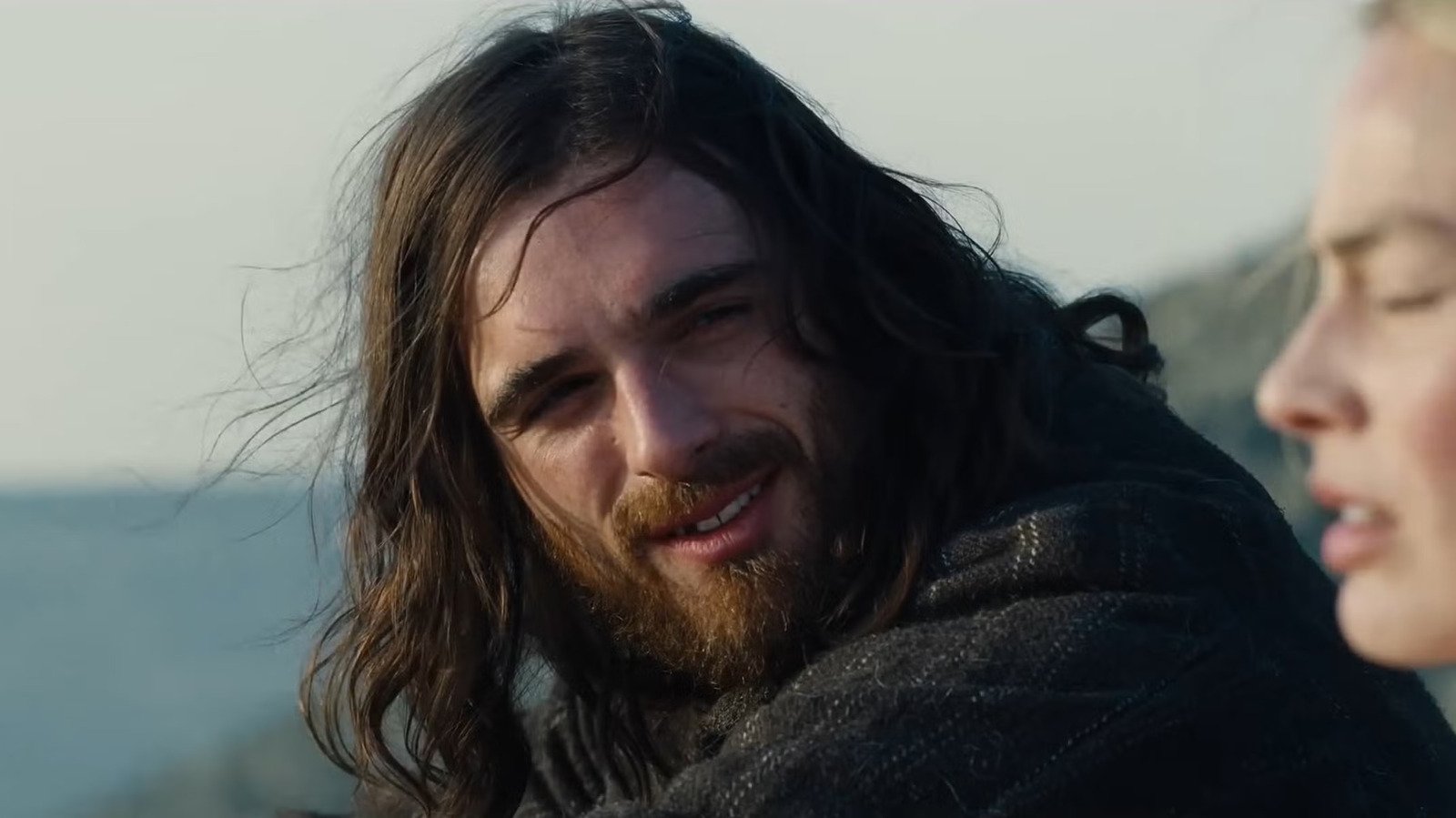
Heathcliff’s Background
While Elordi did a great job as the brooding Heathcliff, the original character from the novel was actually described as a “dark-skinned gypsy.” The film adds a different approach to his and Cathy’s relationship, focusing on their class differences rather than their racial.
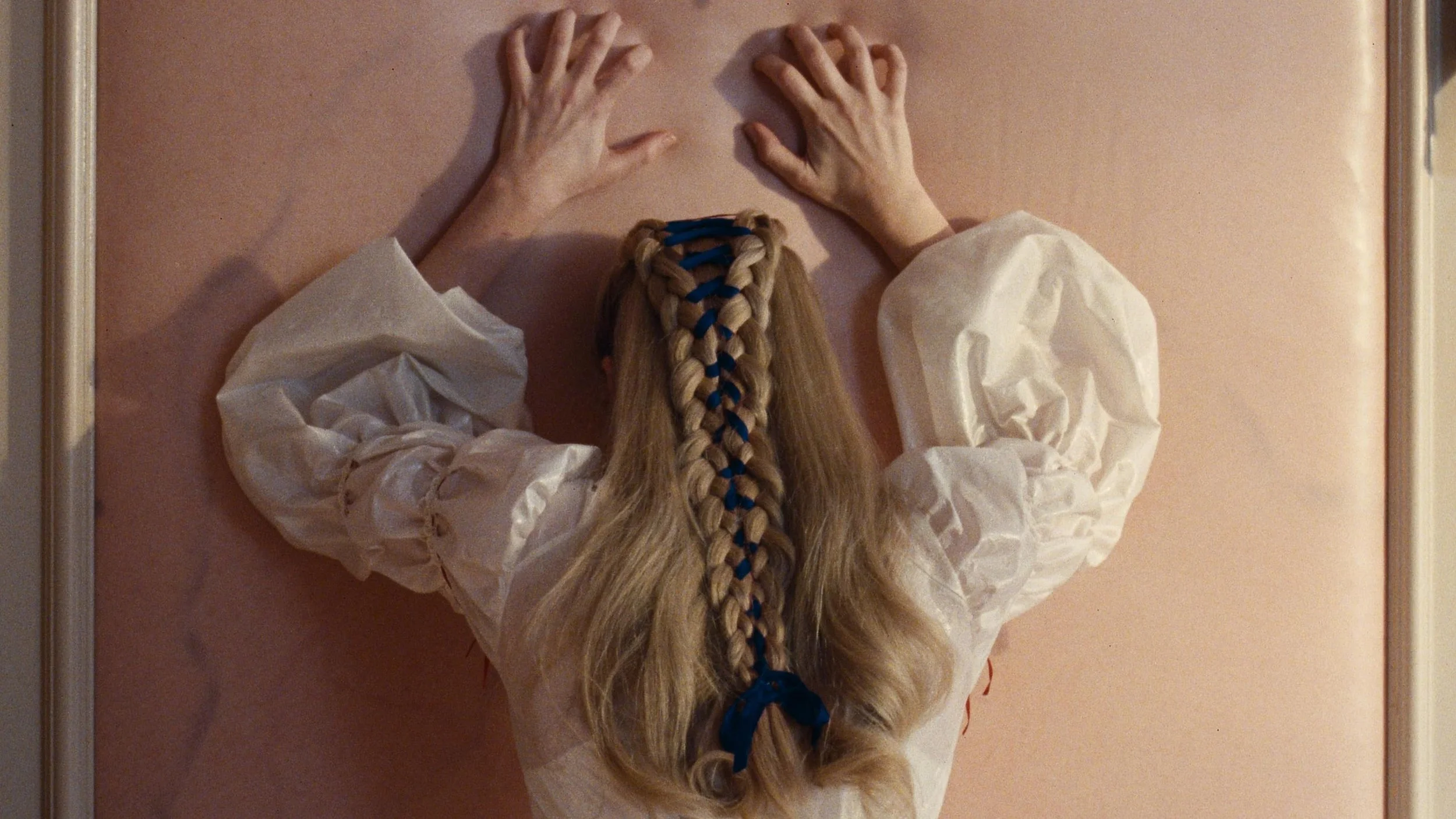
The Setting
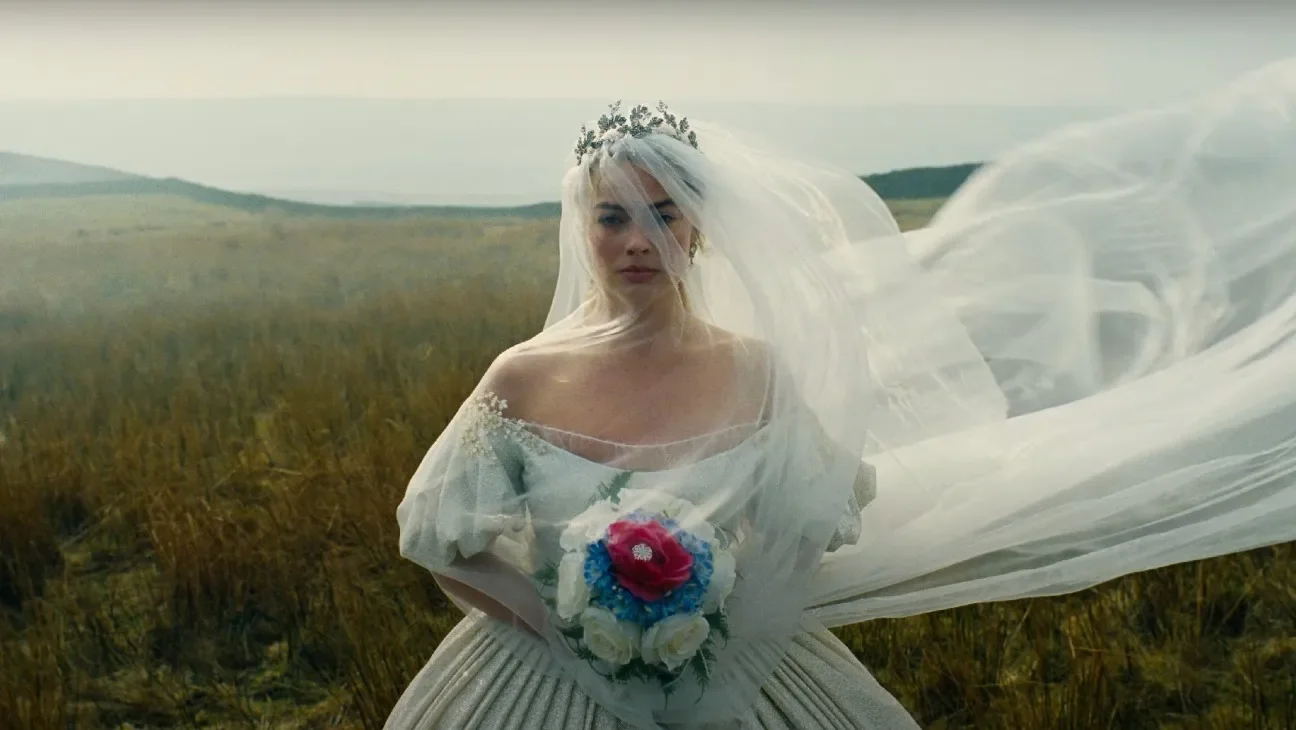
The scenery of the film was incredibly breathtaking, placing us right into 1800’s England. From Cathy’s skin room and Victorian mansion to the fog and haze that takes over the land, the set designs looked like it came straight out of the novel!
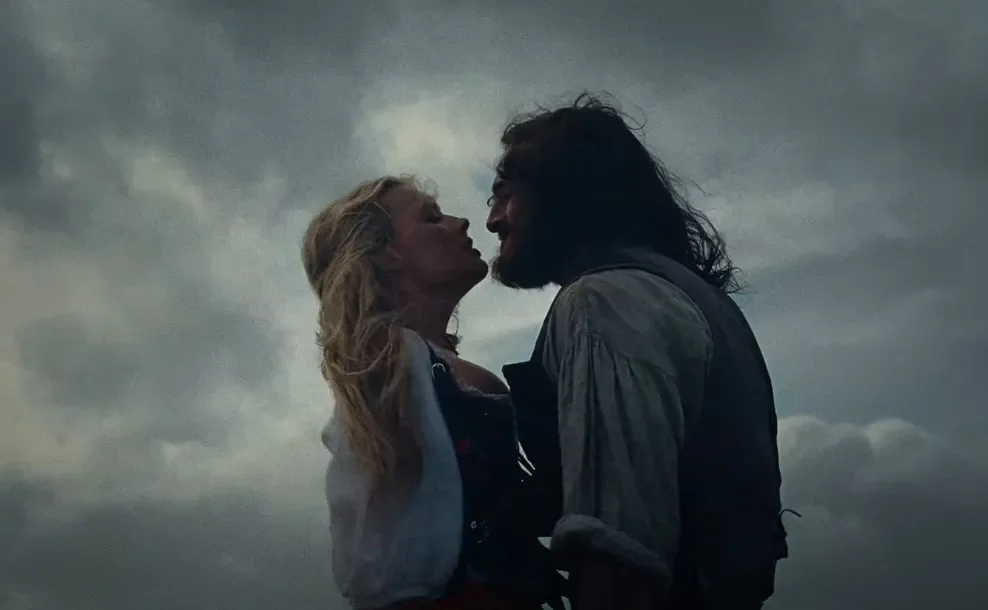
The Gothic Horror Aesthetic
Wuthering Heights is a fairly dark story. The film remains true to some of the novel’s gothic themes, like Cathy and Heathcliff’s childhood, while also adding new takes by including more sensual scenes!
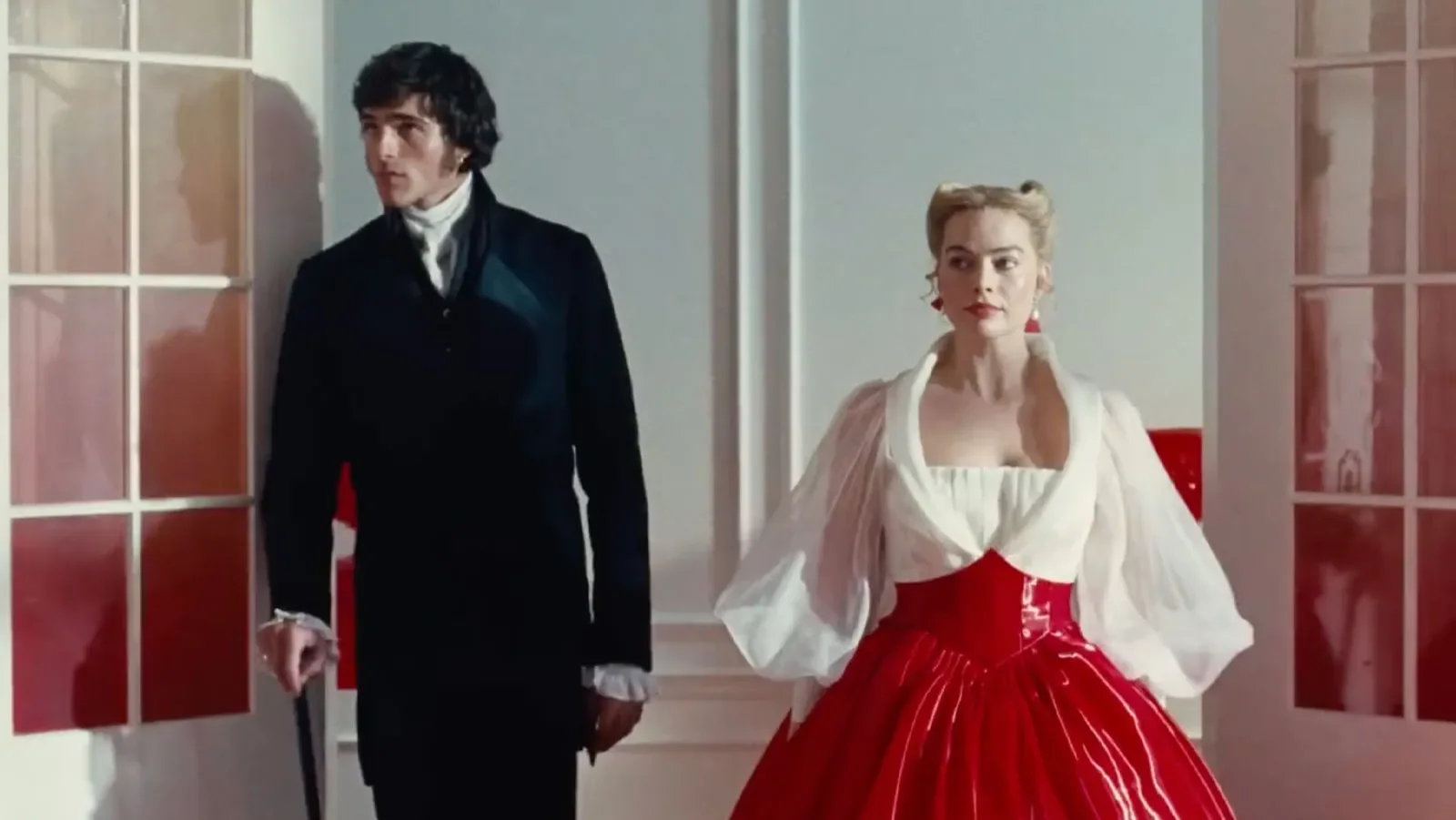
The Next Generation
The second half of the novel focuses on the children of Cathy, and Heathcliff’s universal rage. The film leaves out what happens following Cathy’s death, with a more interpretive ending.
A “Ghostly” End
The novel focuses on the ghost of Cathy haunting Healthcliff’s mind wherever he goes. His state of madness is touched on and portrayed by Elordi, though does not include the ghost storyline in the film.