This Horror Reboot 13 Years in the Making Proves Found Footage Is Making a Comeback
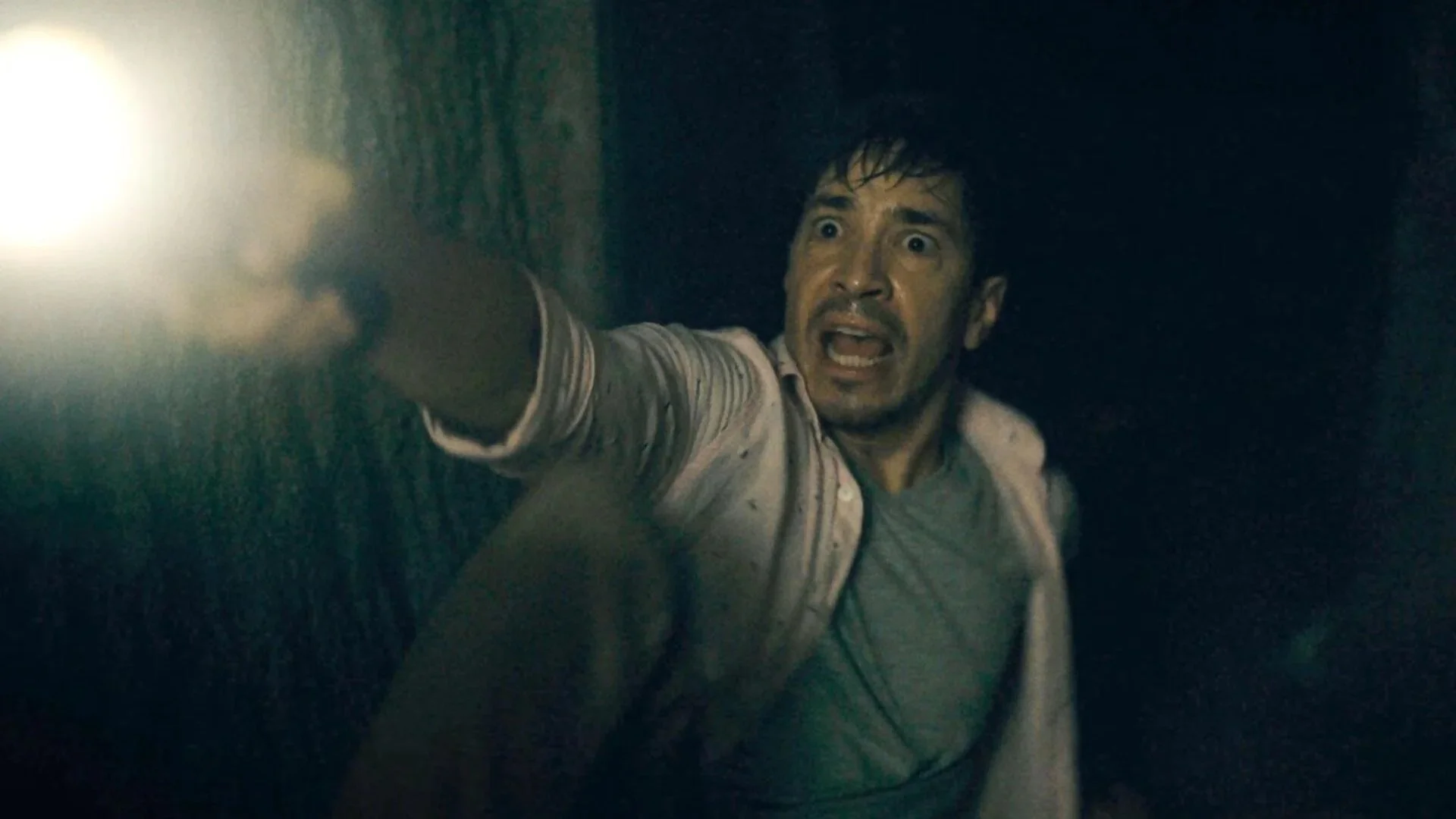
The Blair Witch Project (1999) is often cited as the horror film that popularized the found footage technique and subgenre. Subsequently, in the early to mid 2000s, found footage took off. Found footage was later on defined by films including Paranormal Activity, Lake Mungo, Cloverfield, and V/H/S, all of which went on to become box office successes in their own rights and created franchises. At the time, found footage offered an immersive method of film making for low-budget directors and provided visceral, realistic viewings for audiences. It was a win-win, so to say. Stories, particularly horror, weren't seen in this way before and were suddenly up close, personal, and familiar for viewers. However, much like every other trend, the market became over-saturated with found footage and thus, its use in the film industry has since been dormant, that is, until now.
Found Footage in Recent Years
Much like the evolution of technology, from camcorders, video cameras, and tapes to smartphones, ring cameras, and Zoom, the found footage genre has had to evolve. Creators have attempted to adapt this style utilizing more contemporary updates, and some have done it successfully, like the 2018 and 2023 films Searching and Missing. Though not every film did as well and the success with using modern technology to transcend the found footage genre has been seemingly uncommon. For example, films like The Outwaters and War of the Worlds fell flat in their attempt to modernize found footage, largely because, much like our modern world today, modern technology gravely limits character interaction. The found footage audiences came to love and become familiar with was just that — found footage. Found footage became formulaic, but not necessarily in a bad way.
Traditional found footage places the audience in a more traditional POV, where we are watching something that is observed and captured naturally closer to a format we're all used to. The beauty of cinema is that viewers know characters are being filmed by cameras in a meta sense, but found footage opened a new universe of filming that put a spin on conventional ways. In other words, traditional found footage captures all the action a conventional movie would see, and then some. This new 'COVID-era' of 'found footage' is trying to reinvent a non-existent wheel. Yes, the modern found footage of employing the Zoom platform through someone's laptop, like Searching and Missing did, is in the same elk of being voyeuristic, but it is intrinsically not found footage in the sense of someone stumbling upon tapes in a basement. Using smartphones, Zoom, and ring cameras in a film makes for a claustrophobic, limited feel for the audience. While it was good for the COVID-era, it now feels compromised, especially when the POV is that of a single webcam.
Will Justin Long Single-handly Bring Back Found Footage?
Grave Encounters was, in many ways, revolutionary for the found footage genre. Unlike the big-wigs within the genre such as Paranormal Activity, V/H/S, and Lake Mungo, Grave Encounters presented a much more terrifying, but brilliant, idea. Rather than an intimate setting of a house with friends and family, a ghost-hunting TV show film crew spends the night in an abandoned psychiatric hospital. While it wasn't a fan-favorite at the time of its release in 2011, it's now become a beloved cult classic. Despite found footage becoming over-saturated in the early to mid 2000s, it transcended its original purpose and has now become a nostalgic genre of its own. Found footage films have been released in recent years, but they've been few and far between. M. Night Shyamalan's 2015 found footage film, The Visit, is a notable mention, as well as 2023's Late Night with the Devil. Though audiences still yearn for the format and the visceral quality it delivers, especially in a time when camcorders and video cameras have become a thing of the past and a distant memory for many. Found footage is inherently unedited and raw, something audiences don't often get in the world of filtered, edited, and hyper-intentional content, and social media.
Maybe it's because Justin Long has now become a notable scream king in the horror genre, but he understands the recent pining for found footage films. Long, alongside his wife, Kate Bosworth, is bringing back the cherished Grave Encounters film franchise. At a time when audiences are watching regular TV shows with 8k quality, a Grave Encounters remake could shake up the industry and with the original writers and directors, Colin Minihan and Stuart Ortiz, set to return and develop the new film, it's already shaping up to be one for the books. Production is set to begin next year, and Minihan and Ortiz told Variety:
“We made ‘Grave Encounters’ in our 20s on a self-financed shoestring budget, and it scared the hell out of people. Justin has defined genre cinema for over a decade and is the definitive scream king. He’s the perfect choice to reimagine ‘Grave Encounters’ for a new generation.”
Long has made a name for himself in the horror genre, and the hope is that he'll get audiences to flock to the theaters for this remake, just as they did for Long's collaborative horror films with Zach Cregger, Barbarian and Weapons.
Please, Justin Long, we are begging for the same outcome for the remake of Grave Encounters.